Superfood Supplements: What's Really in Them — Spirulina, Berries and Beetroot
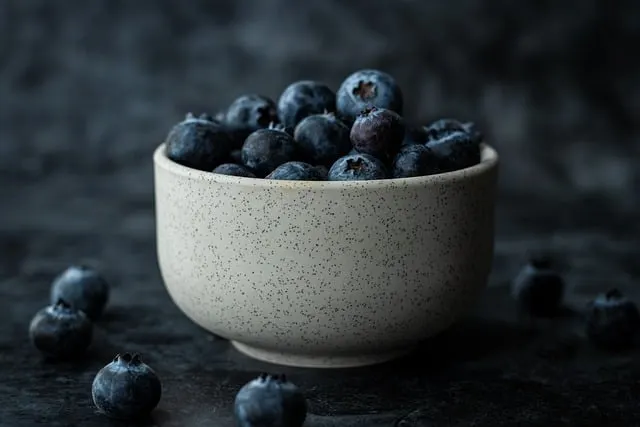
Short answer: "superfood" is a marketing word, not a regulated category. A superfood supplement or greens powder is usually dried fruit, vegetable, berry and algae powders, often with added vitamins. The FDA doesn't approve dietary supplements before they're sold, so it's on you to read the label: what's in it, how much, and whether an independent lab has tested it. Spirulina products in particular can be contaminated, blueberry and bilberry extracts haven't been clearly shown to help any health condition, and with beetroot the hours after you take it matter more than the time of day.
General information, not medical advice. Check with your doctor or pharmacist before starting a supplement, especially if you take medication, are pregnant, or have a health condition.
What are superfood supplements?
Products sold as "superfood supplements", "superfoods formulas" or "greens powders" typically contain concentrated powders of fruits and vegetables (berries, beets, leafy greens), algae such as spirulina or chlorella, sometimes grasses, mushrooms, probiotics or fiber, and often added vitamins. They're meant to complement your diet — they don't replace eating fruits and vegetables.
Are superfood supplements regulated or tested?
Not before they reach the shelf. Under US law, "FDA does not have the authority to approve dietary supplements before they are marketed," and "FDA does not test dietary supplements before they are sold to consumers" (FDA). Manufacturers are responsible for safety and labeling, and the FDA mostly acts after products are on the market.
How do you choose a superfood supplement?
- Read the ingredient list, not the front of the pack. Many products use a "proprietary blend" that lists ingredients but not the amount of each — you can't tell whether there's a meaningful amount of anything.
- Look for independent testing such as NSF or USP seals, which check that the product contains what the label says and isn't contaminated.
- Be skeptical of disease claims. Supplements aren't allowed to claim they treat, cure or prevent disease.
- Count added vitamins and minerals if you also take a multivitamin, so you stay within upper limits.
- Prefer food first. A powder is a convenience, not a substitute for the fiber and variety of whole fruits and vegetables.
What is the best spirulina supplement — and is spirulina safe?
Spirulina is a blue-green alga (cyanobacterium) that contains protein, vitamins, minerals and pigments such as phycocyanin and beta-carotene (Gogna et al., 2023). The main safety issue is contamination: spirulina is often grown in open ponds, where toxin-producing algae and bacteria can get in. A 2023 study of five retail spirulina products found microcystin toxins in all of them, at levels that could lead consumers to exceed recommended daily limits, plus potentially harmful bacteria such as Bacillus cereus (Rhoades et al., 2023).
So the "best" spirulina supplement is less about brand than about evidence of testing: choose products that are independently tested for microcystins and heavy metals, and that tell you how and where the spirulina is grown.
Do blueberry supplements work?
Blueberries are a great food, but the evidence for blueberry-type extracts is thin. The NIH's National Center for Complementary and Integrative Health says studies on bilberry — a close relative of the blueberry often sold as a supplement — mostly "did not use rigorous methods," and that "bilberry has not been clearly shown to be helpful for any health condition" (NCCIH). Eating berries as part of a varied diet is the well-supported option; a berry supplement is a convenience on top of that.
What is the best time of day to take a beetroot supplement?
Time of day doesn't seem to matter much — what matters is how long before you need it. Beetroot is rich in nitrate, which the body (with help from mouth bacteria) converts to nitrite. In a 2024 crossover study, beetroot juice raised blood nitrite equally whether taken in the morning, afternoon or evening (Rowland et al., 2024). In an earlier study, the effects of a large dose of beetroot juice peaked about 3 hours after drinking it, matching the peak rise in blood nitrite (Webb et al., 2008).
That's why people who use beetroot juice for exercise usually take it a few hours beforehand. Results vary: in the 2024 study, beetroot juice didn't improve time to exhaustion at any time of day. Because the conversion depends on mouth bacteria, antibacterial mouthwash can blunt it.
Where does Juice Plus+ fit?
Juice Plus+ makes whole food-based products from fruit, vegetable and berry powders. According to the official product descriptions:
- Nutrition+ Powder — a red, purple and green drink mix with 30 fruits, berries and vegetables plus plant-based vitamins; one stick in 10 oz of water.*
- Fruit, Vegetable & Berry Blend Capsules — 30 fruits, vegetables and berries plus plant-based vitamins in six capsules a day.*
- Berry Blend Capsules — 11 berries and grapes plus plant-based vitamins in two capsules, with polyphenols "that help support skin health."*
What's in them: the Juice Plus+ labels listed in the NIH Dietary Supplement Label Database (entered 2021) show the Berry Blend+ includes blueberry and bilberry along with cranberry, pomegranate, Concord grape, blackberry, raspberry, elderberry and black currant, and the Vegetable Blend+ includes beet and spirulina along with broccoli, kale, spinach, carrot and others. Like most blends, those labels don't list the amount of each powder — so they're a way to add a variety of fruit and vegetable powders, not a measured dose of spirulina or beetroot nitrate. Products have since been updated, so check the current label. Selected Juice Plus+ products are NSF Certified for Sport; see our product guide for which ones.
*These statements have not been evaluated by the Food and Drug Administration. This product is not intended to diagnose, treat, cure, or prevent any disease.
Frequently asked questions
- What are superfood supplements?
- Supplements made from concentrated fruit, vegetable, berry and algae powders, often with added vitamins. "Superfood" is a marketing term, not a regulated category.
- Does the FDA approve superfood supplements?
- No. The FDA doesn't approve or test dietary supplements before they're sold; look for independent testing such as NSF or USP.
- Is spirulina safe to take?
- Spirulina itself is a nutritious alga, but products can be contaminated with microcystin toxins and bacteria, especially when grown in open ponds. Choose products independently tested for microcystins and heavy metals.
- Do blueberry or bilberry supplements work?
- The NIH's NCCIH says bilberry has not been clearly shown to help any health condition. Whole berries in your diet are the better-supported choice.
- When should I take a beetroot supplement?
- Time of day made no difference to blood nitrite in a 2024 study; effects peaked about 3 hours after beetroot juice in an earlier study, so people usually take it a few hours before exercise.
Sources
- US Food and Drug Administration. Questions and Answers on Dietary Supplements.
- Gogna S, et al. Spirulina — An Edible Cyanobacterium with Potential Therapeutic Health Benefits and Toxicological Consequences. J Am Nutr Assoc, 2023.
- Rhoades J, et al. Microbiota and Cyanotoxin Content of Retail Spirulina Supplements and Spirulina Supplemented Foods. Microorganisms, 2023.
- NCCIH. Bilberry: Usefulness and Safety.
- Rowland SN, et al. Influence of acute dietary nitrate supplementation timing… Eur J Appl Physiol, 2024.
- Webb AJ, et al. Acute blood pressure lowering, vasoprotective, and antiplatelet properties of dietary nitrate via bioconversion to nitrite. Hypertension, 2008.
- NIH Dietary Supplement Label Database: Juice Plus+ Berry Blend+ and Vegetable Blend+ (labels entered 2021).
Karis Enterprises
Chris Speaker's independent Juice Plus+ partner business. This article is general information, not medical advice. About us
Ready to Start?
Try Juice Plus+ Today
Order from the official Juice Plus+ store through our independent partner link.
Independent partner — we earn a commission on orders.